


Selecting the Best Packaging Fillers for Products
May 21, 2025
Leave a message
Packaging fillers play a crucial role in protecting items, cushioning vibrations, and filling voids. In addition to the essential outer box packaging, the internal packaging fillers should not be overlooked.
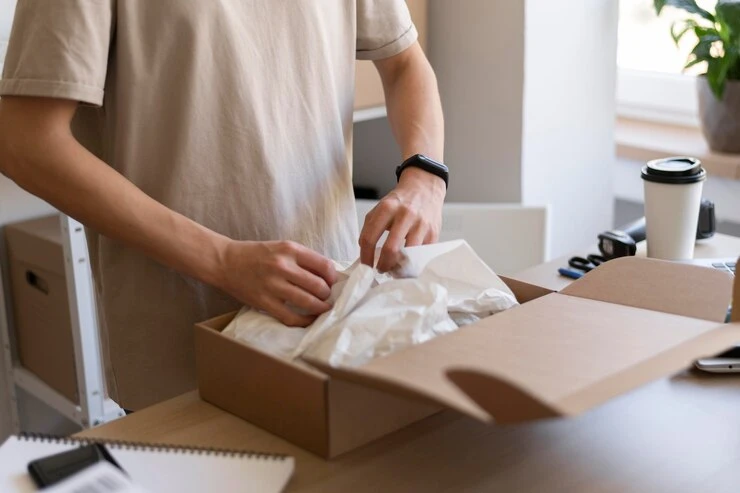
Below is an introduction to common types of packaging fillers, along with their characteristics and application scenarios:
Ⅰ.Paper-based Fillers
Characteristics:
Environmentally friendly, biodegradable, and low-cost, but with relatively limited cushioning performance.
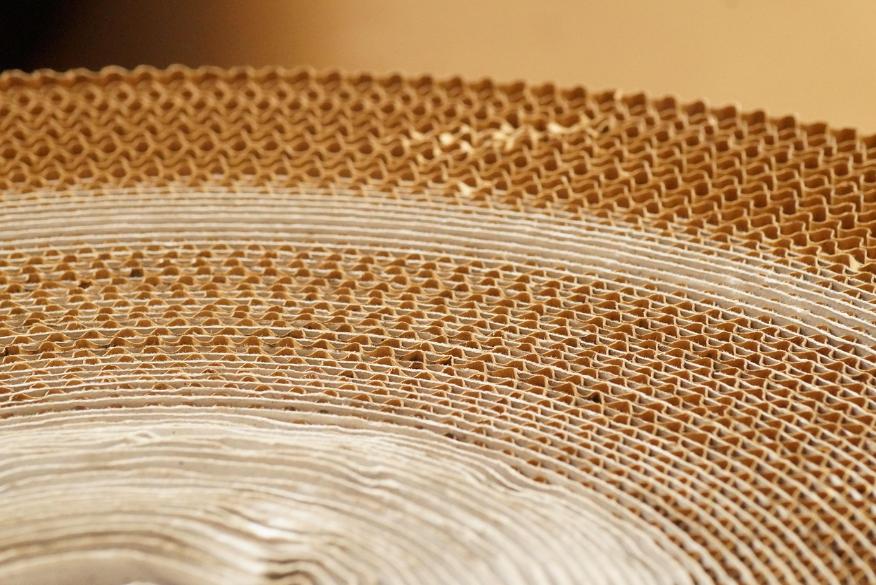
1.Corrugated Paper
Composed of multiple layers of wavy paper cores bonded together, it has certain elasticity and is often used to fill voids in boxes or wrap fragile items.
Applications: Electronic products, books, small household appliances, etc.
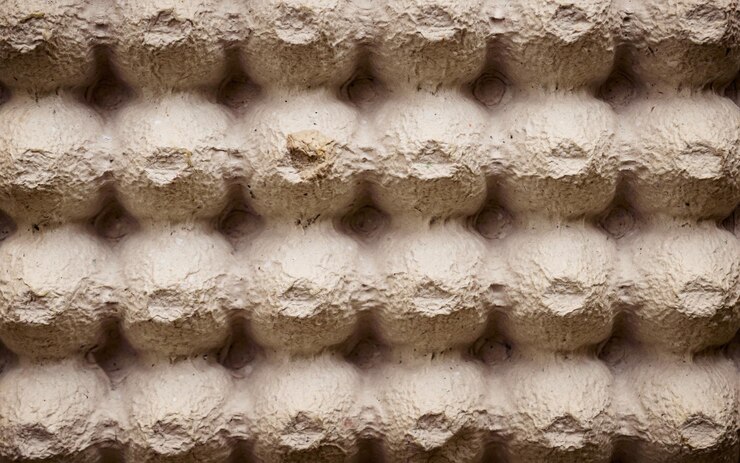
2.Paper Pulp Molding
Made from paper pulp through molding, it is lightweight and shock-resistant, with customizable shapes.
Applications: Inner lining packaging for fruits, glass products, and precision instruments.
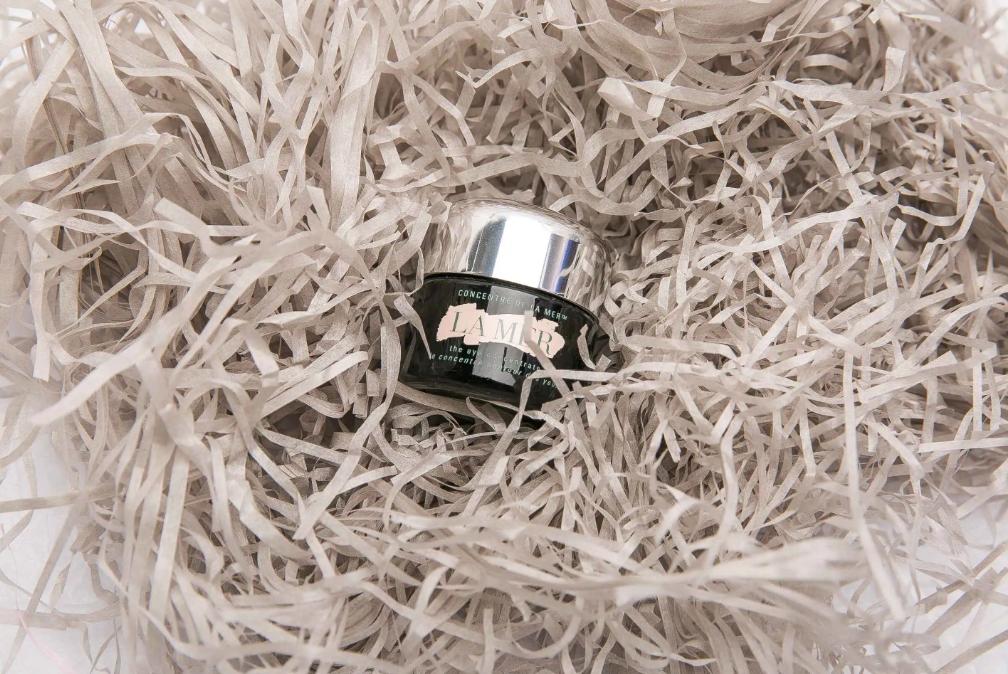
3.Crepe Paper/Paper Shreds
Folded or curled paper that fills voids through a fluffy structure and increases friction to prevent items from moving.
Applications: Packaging for small items such as jewelry, cosmetics, and gifts.
Ⅱ.Plastic-based Fillers
Characteristics:
Good cushioning performance, waterproof and moisture-proof, but with poor environmental friendliness; some are recyclable.
1.Bubble Wrap (Bubble Bag)
A film containing air bubbles that absorb impact through the elasticity of the bubbles, available in single-sided and double-sided types.
Applications: Fragile items such as glass products, ceramics, and monitors.

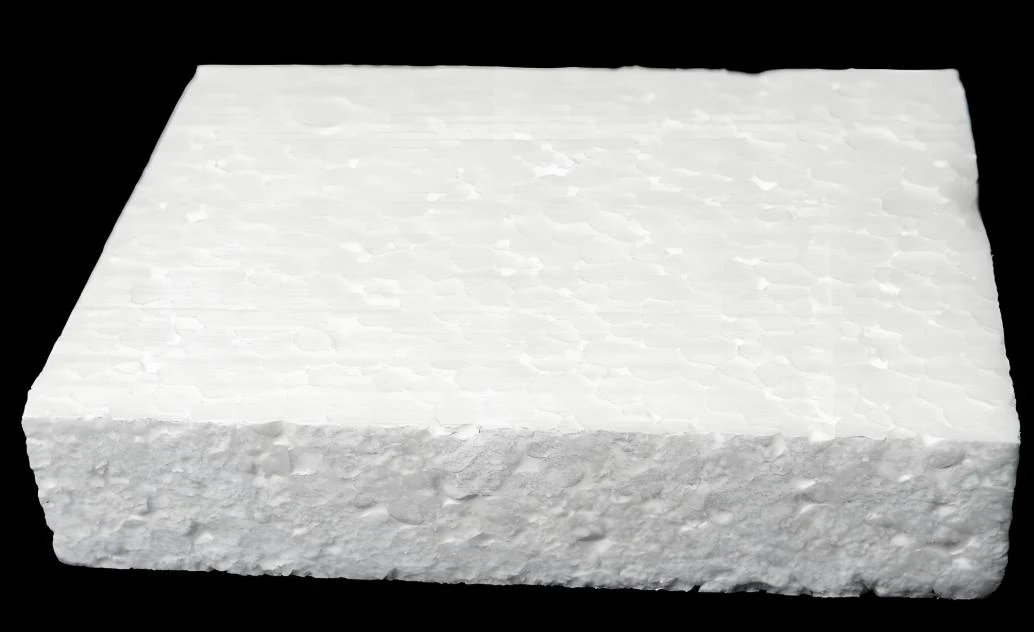
2.Foam Plastics (EPS/EPE/EPP)
EPS (Expanded Polystyrene Foam):
Hard, low-cost, but fragile and difficult to degrade, commonly used for shockproof packaging of large household appliances and furniture.
EPE (Pearl Cotton):
Polyethylene foam, soft and elastic, environmentally friendly and recyclable, suitable for electronic products and automotive parts.

EPP (Expanded Polypropylene Foam):
High-strength and heat-resistant, used for cushioning packaging of high-end products (e.g., drones, medical devices).

3.Inflatable Bags (Air Column Bags/Air Pillow Bags)
Made from nylon film, they form columnar or bag-shaped structures after inflation, with customizable sizes and high filling efficiency.
Applications: Protection for wine bottles, milk powder cans, and furniture edges.

Ⅲ.Biobased/Eco-friendly Fillers
Characteristics:
Degradable, low-carbon, and in line with environmental trends, suitable for scenarios with high sustainability requirements.
1.Starch-based Foam
Made from plant starch, it is naturally degradable and replaces traditional EPS foam, used for packaging food and electronic products.

2.Honeycomb Paper
Made from kraft paper with a honeycomb structure, it is lightweight and highly compressive, recyclable and reusable.
Applications: Filling and supporting for furniture and mechanical parts.

3.Degradable Bubble Wrap
Made from biobased materials such as PLA (polylactic acid), it can be composted and degraded after use, reducing plastic pollution.

Ⅳ.Fiber-based Fillers
Characteristics: Soft and breathable, suitable for items requiring high surface protection.
1.Polyester Fiber Filling Cotton
Soft and fluffy, used to wrap clothing, textiles, or fill voids to prevent shaking.
Applications: Packaging for clothing, bedding, and plush toys.

2.Sponge (PU Sponge)
A porous elastic material that can be cut into different shapes to provide close-fitting protection, often used for packaging precision instruments and handicrafts.

Ⅴ.Other Special-purpose Fillers
1.Antistatic Fillers
Made from antistatic materials (e.g., antistatic bubble wrap, conductive sponge) to prevent damage to electronic components from static electricity.
Applications: Semiconductors, circuit boards, and precision electronic equipment.
2.Moisture-absorbing and Moisture-proof Fillers
Such as silica gel desiccants and montmorillonite desiccants, which absorb moisture inside the packaging to prevent items from getting damp.
Applications: Food, pharmaceuticals, and metal products.
3.Vacuum Filling Bags
Air is evacuated through vacuuming to make items fit tightly in the packaging, reducing transportation volume, commonly used for clothing and bedding.

Selection Recommendations
●Fragile Items:
Prioritize bubble wrap, EPE pearl cotton, and inflatable bags, combined with corrugated paper for reinforcement.
●Environmental Needs:
Choose paper pulp molding, starch-based foam, degradable plastics, and other biobased materials.
●Electronic Products:
Use antistatic fillers (e.g., conductive sponge) + cushioning foam.
●Large Items:
Honeycomb paper, EPS foam, or customized paper pulp molding for structural support.
Different fillers can be used in combination (e.g., bubble wrap for wrapping + paper shreds for filling voids) to achieve optimal protection. With the popularization of environmental concepts, degradable materials are gradually replacing traditional plastic fillers, becoming a future trend.
For us, choosing appropriate packaging fillers is a small contribution to the planet's environmental protection. Take action and select the most suitable packaging fillers for your products!

Send Inquiry